
Service
Geosynthetics Supply & Installation
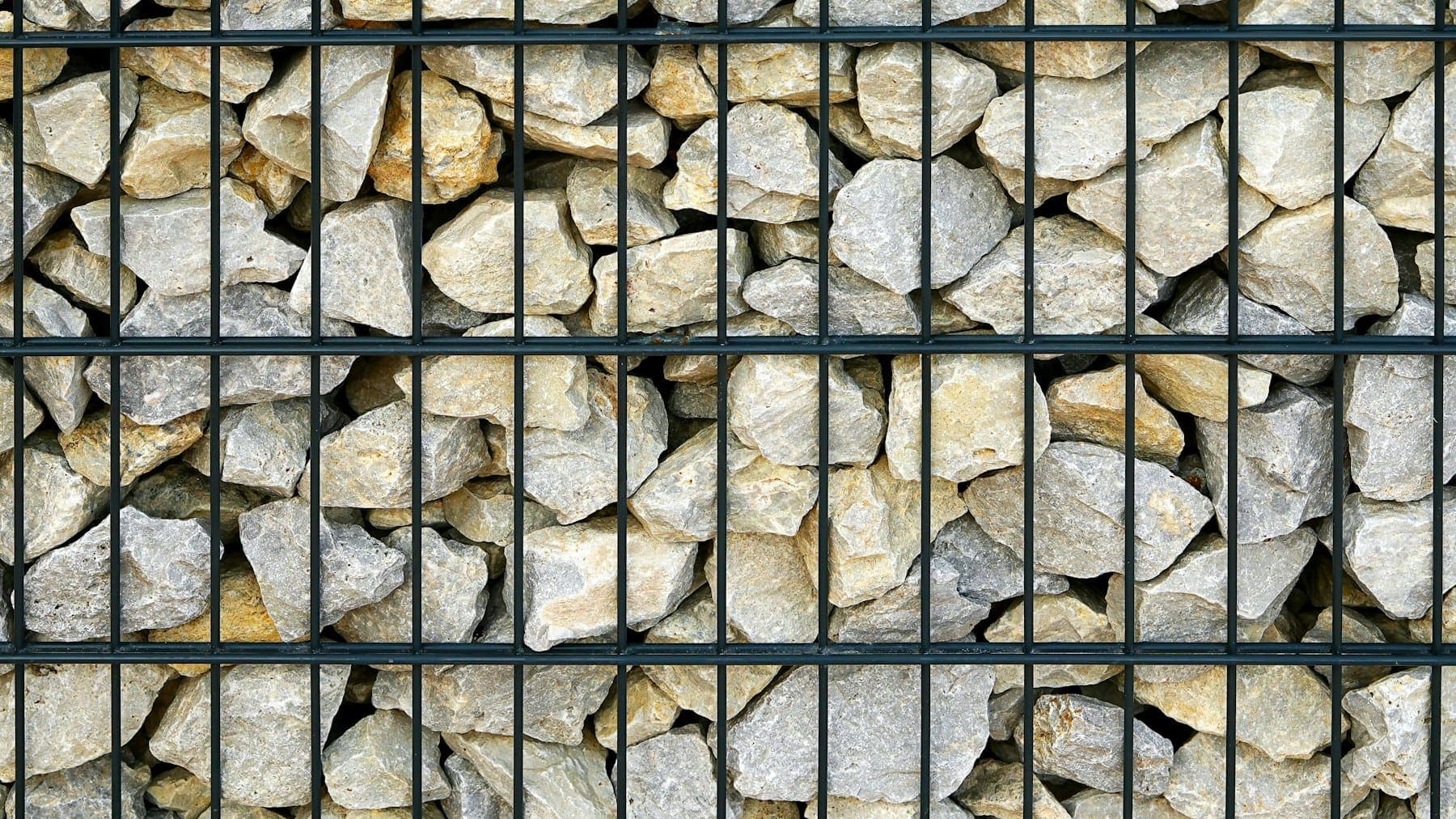
Geogrids, geotextiles, geocells, PVDs and erosion-control products supplied and installed to project specification.
Overview
The right geosynthetic, installed the right way
Geosynthetics are manufactured polymer products that reinforce, separate, filter, drain or contain soil. They are often the most economical way to improve a road, embankment or wall — but only when the product is matched to the job and installed with care.
We supply and install geosynthetics to specification, including overlaps, anchorage, tensioning, seaming and protection from damage during construction — the details that decide whether a product performs as designed.
Benefits
Why choose geosynthetics
Reinforcement
Geogrids add tensile strength to soil for walls, steep slopes, embankments over soft ground and working platforms.
Separation and filtration
Geotextiles stop layers mixing and let water pass without losing fines, extending pavement and drain life.
Confinement
Geocells hold infill in a honeycomb, creating stiff mattresses on soft ground and stable channel and slope linings.
Drainage
Geocomposites and PVDs carry water out of the soil, speeding consolidation and relieving pore pressure.
Erosion control
Blankets, mats and mesh protect slopes and channels until vegetation takes over.
Lower carbon
Reinforcement can reduce aggregate, cement and excavation quantities compared with conventional designs.
Execution
Installation practice
- 1
Product selection
Select material, strength, aperture and UV / chemical resistance based on the design function and soil.
- 2
Subgrade preparation
Remove sharp objects, roots and soft spots; grade and compact to a smooth, uniform surface.
- 3
Laying and overlapping
Unroll in the design direction, keep tension free of wrinkles, and make overlaps or joints per manufacturer and specification.
- 4
Anchorage and tensioning
Pin or trench-anchor geosynthetics and tension them where required so they engage under load.
- 5
Fill placement
Place fill by end-tipping on to the material, never driving tracked plant directly on it, and compact in thin lifts.
- 6
Inspection and records
Check batch certificates, overlap lengths and damage, and record as-built details for handover.
Specifications
Product families
| Geogrids | Uniaxial and biaxial HDPE / PP, woven polyester (PET) |
|---|---|
| Geotextiles | Woven and non-woven, for separation, filtration and protection |
| Geocells | HDPE cellular confinement systems |
| Drains | Prefabricated vertical drains, geocomposite strip and sheet drains |
| Erosion control | Natural and synthetic blankets, mats, 3D mesh |
Values are indicative. Final parameters are set by the project design and specification.
References
Standards & guidelines
- ISO 10319 / ASTM D4595 — Wide-width tensile testing of geotextiles
- ASTM D6637 — Tensile properties of geogrids
- MoRTH Specifications for Road & Bridge Works — geosynthetics clauses
FAQ
Geosynthetics: your questions answered
Also from Terrabindz
Related services
 01
Reinforced Earth Walls
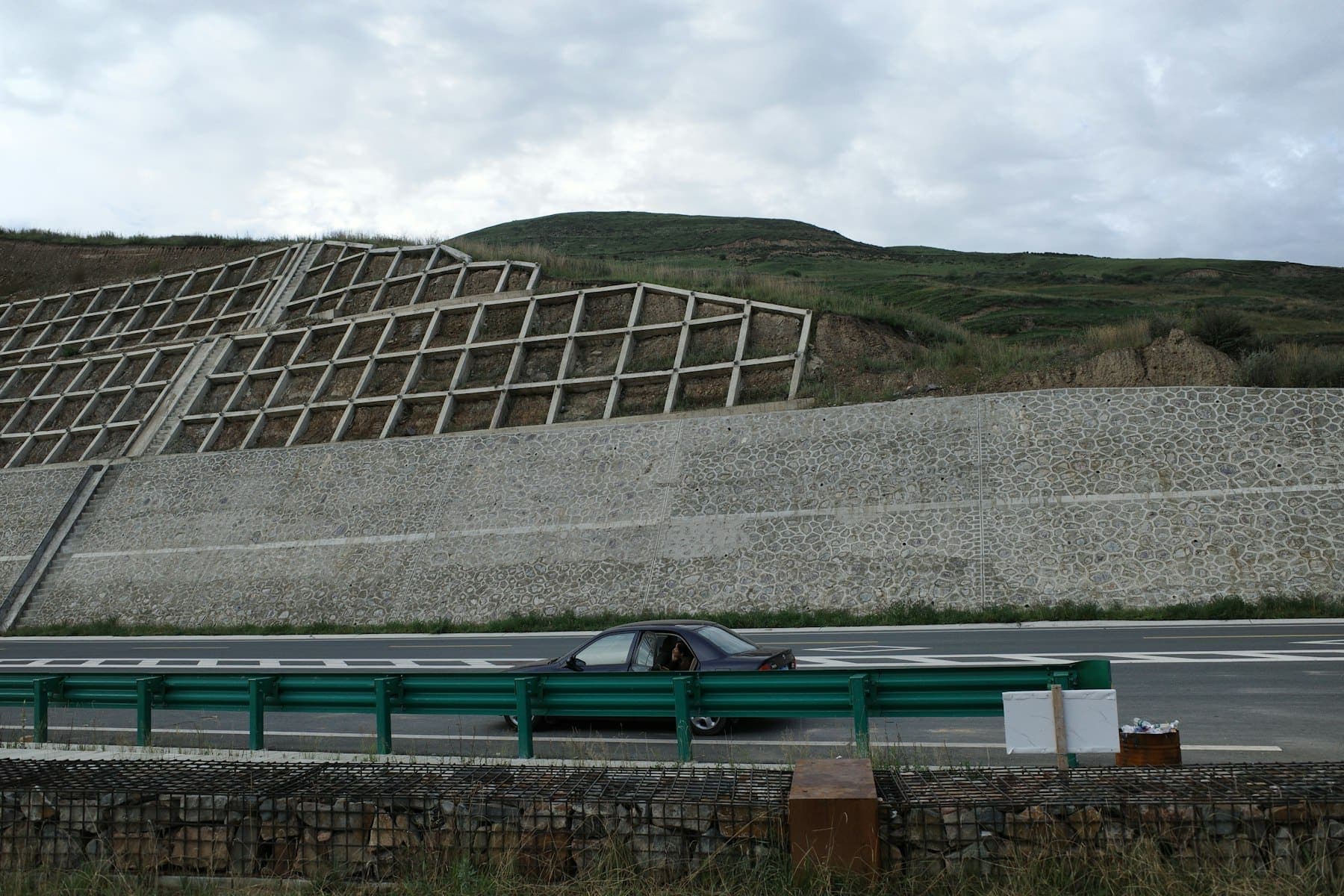
Precast-faced MSE walls and reinforced soil slopes for bridge approaches, flyovers, highways and industrial platforms.
Explore service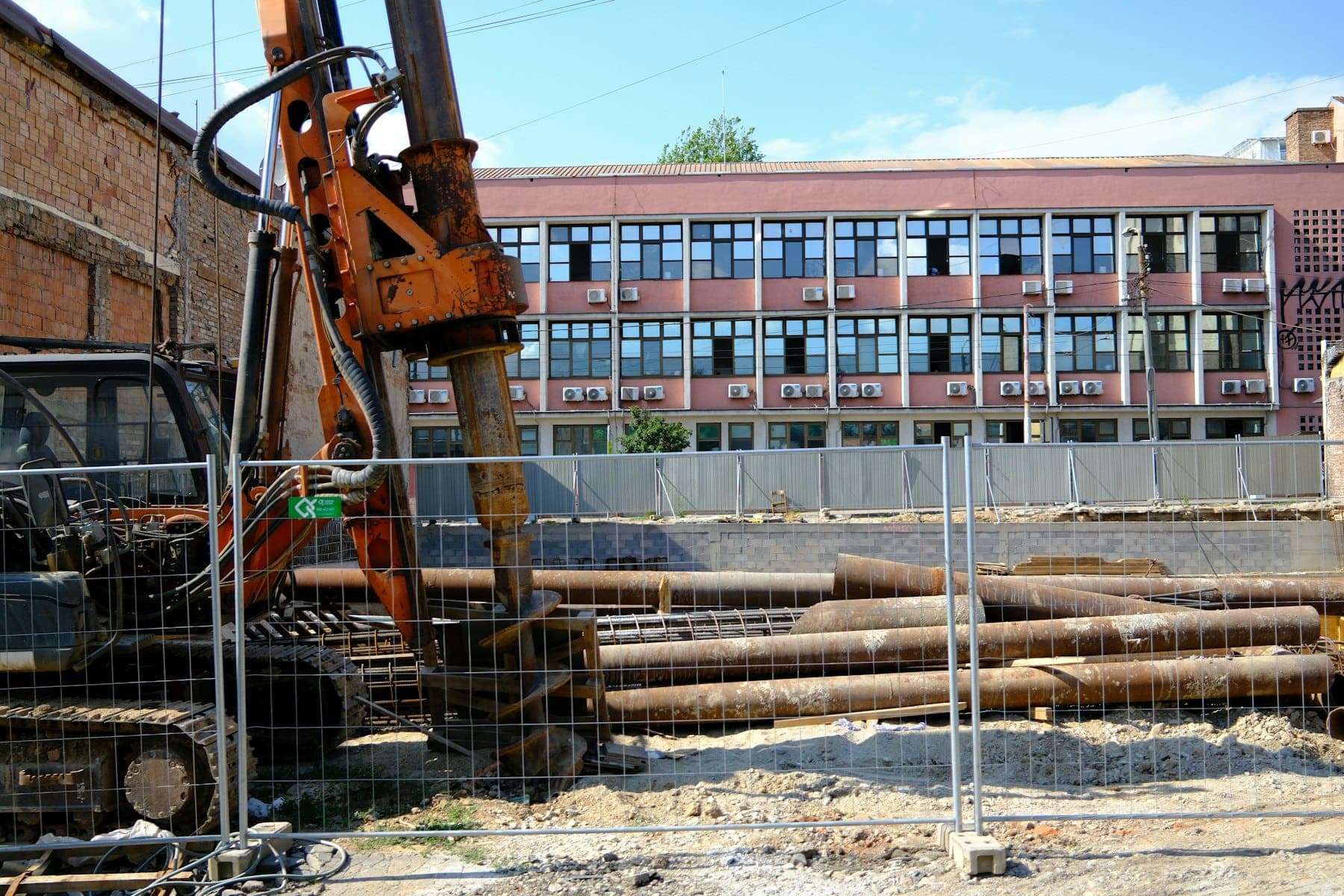 02
Soil Nailing
Top-down in-situ reinforcement of cuts, slopes and deep excavations using grouted steel nails and shotcrete facing.
Explore service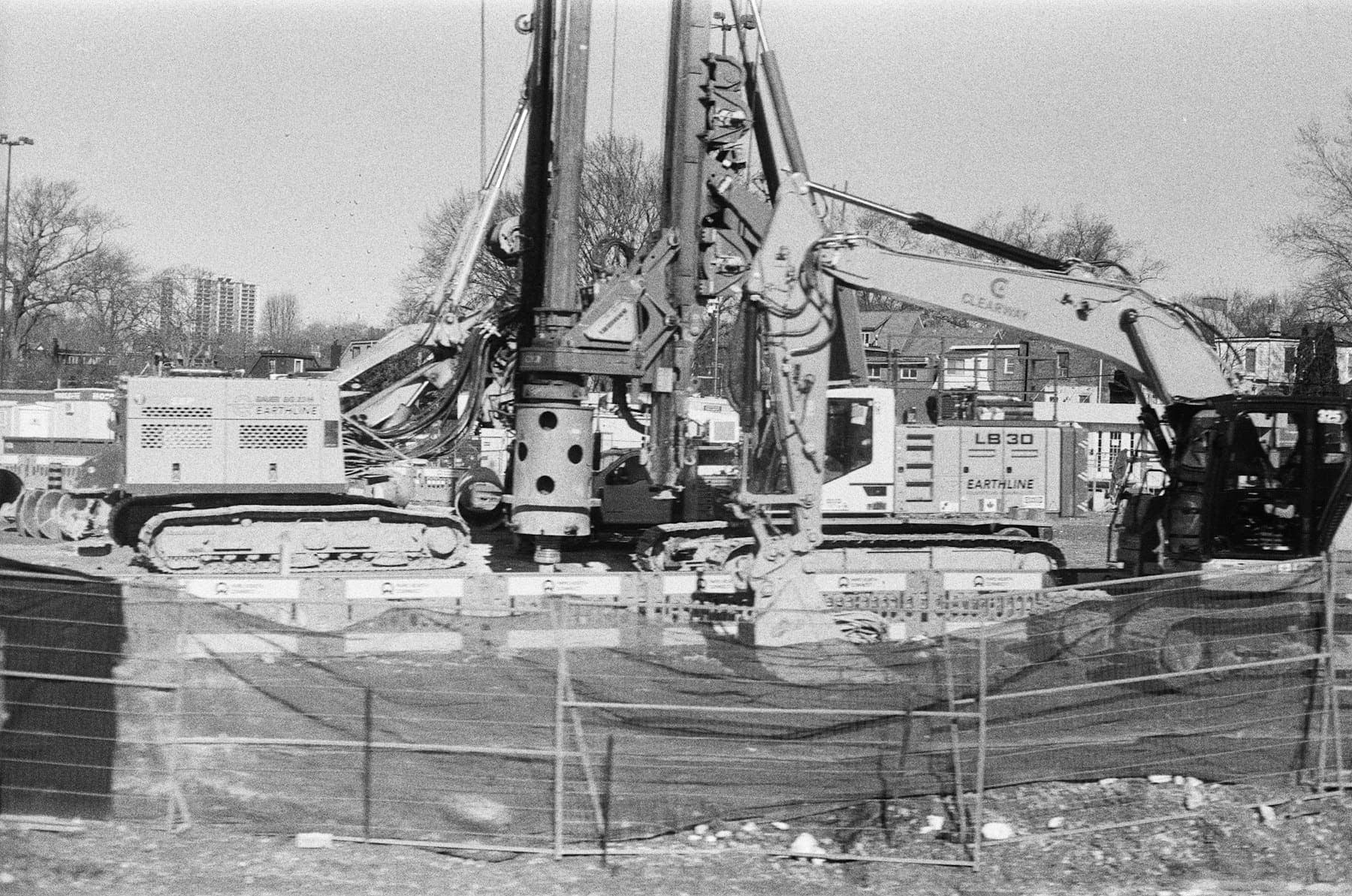 03
Ground Improvement
Stone columns, dynamic compaction, preloading with vertical drains and stabilisation for soft, loose and expansive soils.
Explore service
Free consultation
Have a project in mind? Let's talk ground conditions.
Share your drawings or soil report and our engineers will respond with an approach, programme and quotation.