
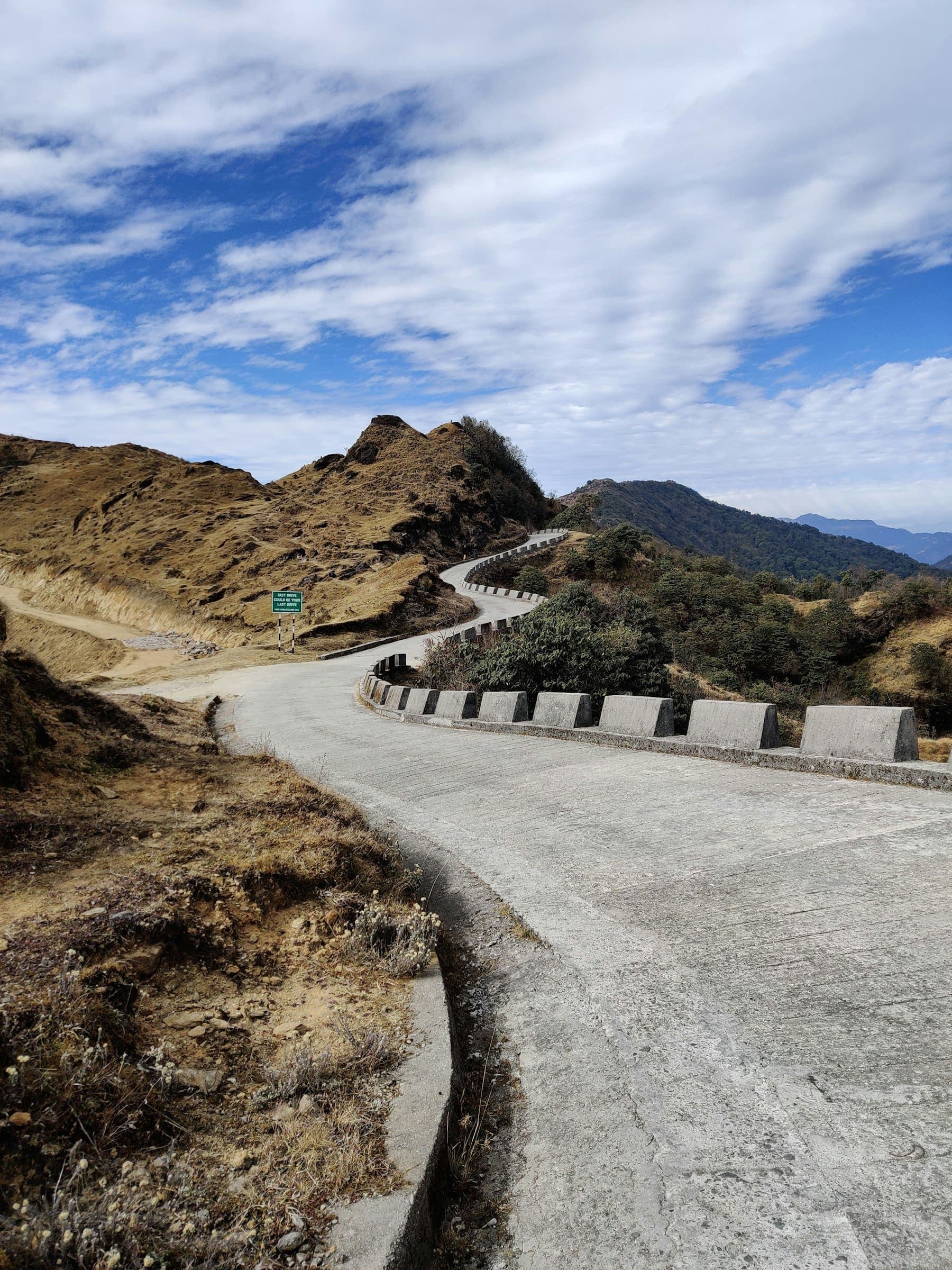
Service
Slope Stabilisation & Retaining Structures
Rock bolting, shotcrete, wire-mesh rockfall protection, gabions, geogrid slopes and drainage for cut and natural slopes.
Overview
Stable slopes through reinforcement, drainage and protection
Slope failures are almost always caused by a combination of geometry, material strength and water. Our approach attacks all three: reinforce the ground, remove the water, and protect the surface from erosion and falling material.
We assess each slope — soil, rock or mixed — and recommend the lightest effective solution, from simple surface drainage and vegetation to nailed and anchored systems for critical cuts.
Benefits
Why choose slope stabilisation
Cause-based design
Treatment addresses why the slope is moving — water, undercutting, weak layers — not only the visible scar.
Drainage first
Surface drains, cut-off drains and horizontal drains remove the single biggest trigger of slope failure.
Safe access
Experienced crews work on steep faces with rope access and light equipment, keeping traffic and neighbours safe.
Durable surface cover
Shotcrete, mesh, erosion-control mats and planting protect the slope against rain, wind and weathering.
Methods
Techniques we use
Each method suits different ground and different structures.
Rock bolts and dowels
Grouted bars pin unstable rock blocks to sound rock behind them.
Best for: Jointed rock cuts and wedge failures
Shotcrete and wire mesh
A reinforced sprayed concrete skin seals the surface against weathering and loose fall.
Best for: Weathered rock and nailed soil faces
Rockfall netting and barriers
High-tensile wire mesh drapes or catch fences control falling debris onto roads and rail.
Best for: Steep rocky slopes above infrastructure
Gabion and crib walls
Wire-cage stone walls form free-draining gravity retaining structures that tolerate movement.
Best for: Toe support, riverbanks, low-height retaining walls
Geogrid-reinforced slopes
Layered geosynthetics let you build steep, vegetated slopes (up to about 70°) from local fill.
Best for: New embankments, repaired failures
Slope drainage
Catch drains, chutes, sub-horizontal drains and weep holes manage surface and groundwater.
Best for: Every slope, especially in monsoon regions
Execution
Our slope stabilisation approach
- 1
Survey and mapping
We map the slope — geology, joints, seepage, cracks and failure history — and survey its geometry.
- 2
Stability analysis
Limit-equilibrium (soil) or kinematic (rock) analysis identifies the likely failure mode and required factor of safety.
- 3
Scaling and trimming
Loose rock and unstable soil are removed or regraded so reinforcement bears on sound ground.
- 4
Drainage and reinforcement
Drains are installed first, then nails, bolts, geogrids or walls as designed.
- 5
Surface protection
Shotcrete, mesh, erosion mats and vegetation protect the finished slope.
- 6
Monitoring
Crack gauges, survey points or inclinometers track performance through at least one monsoon.
Specifications
Common design checks
| Soil slopes | Factor of safety ≥ 1.3 – 1.5 depending on consequence of failure |
|---|---|
| Rock slopes | Kinematic analysis of planar, wedge and toppling modes |
| Seismic cases | Pseudo-static check using zone factors from IS 1893 |
| Drainage | Designed for local rainfall intensity and catchment area |
Values are indicative. Final parameters are set by the project design and specification.
References
Standards & guidelines
- IRC:SP:48 — Hill road manual
- IS 14680 — Landslide control: guidelines
- IS 1893 — Criteria for earthquake-resistant design
- IRC:SP:102 — Reinforced soil walls (for geogrid-reinforced slopes)
FAQ
Slope Stabilisation: your questions answered
Also from Terrabindz
Related services
 01
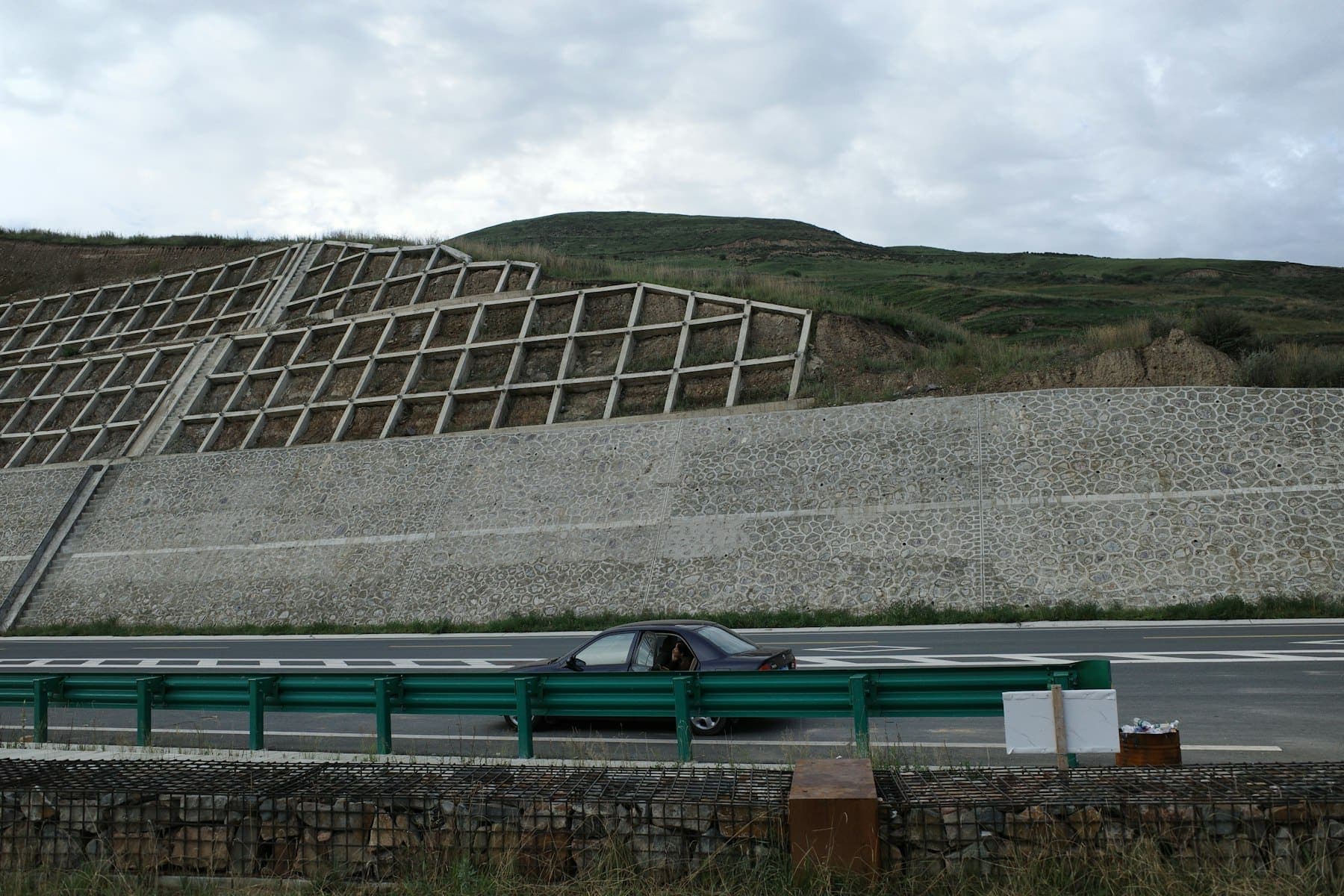
Reinforced Earth Walls
Precast-faced MSE walls and reinforced soil slopes for bridge approaches, flyovers, highways and industrial platforms.
Explore service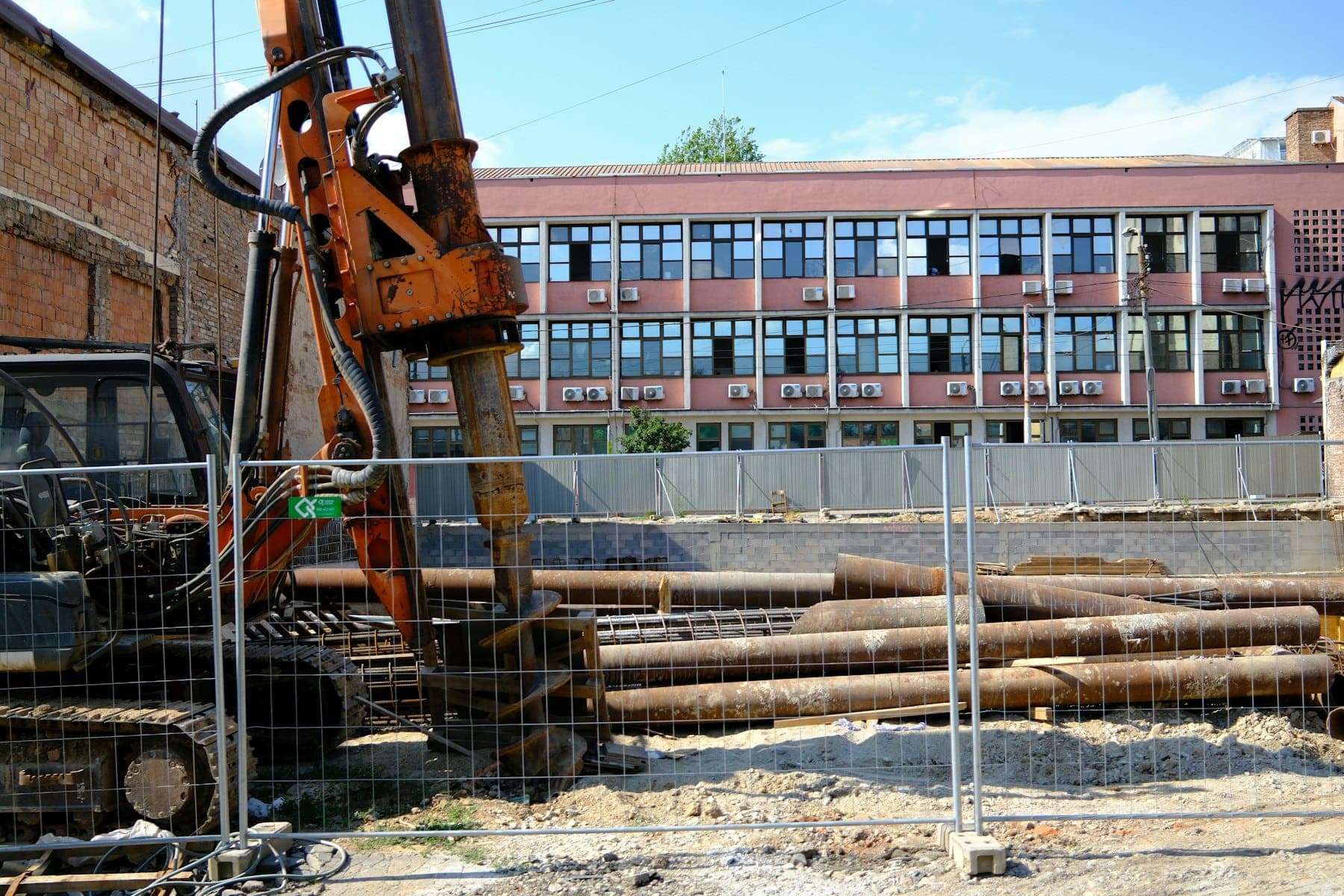 02
Soil Nailing
Top-down in-situ reinforcement of cuts, slopes and deep excavations using grouted steel nails and shotcrete facing.
Explore service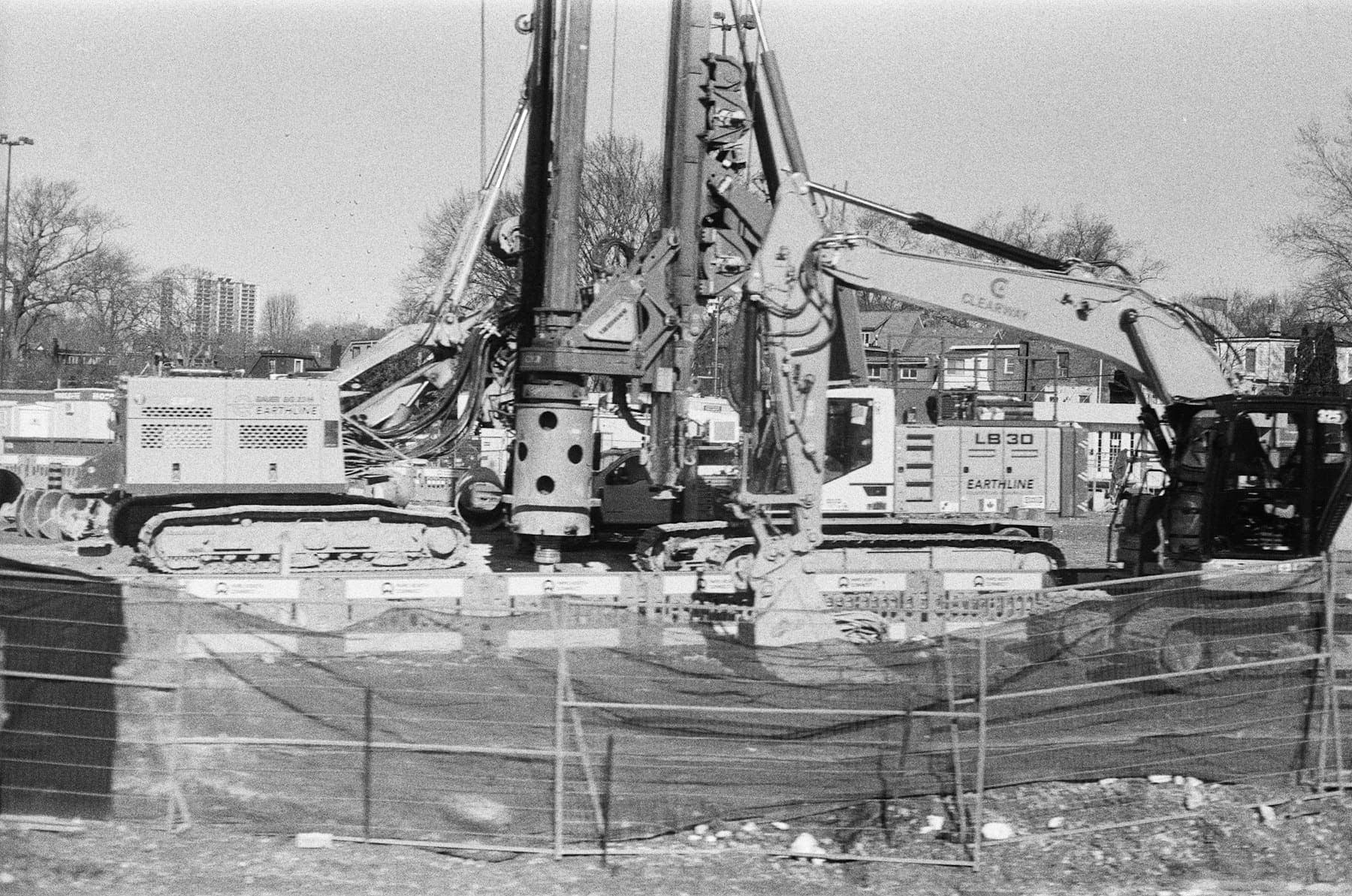 03
Ground Improvement
Stone columns, dynamic compaction, preloading with vertical drains and stabilisation for soft, loose and expansive soils.
Explore service
Free consultation
Have a project in mind? Let's talk ground conditions.
Share your drawings or soil report and our engineers will respond with an approach, programme and quotation.