
Service
Ground Improvement
Stone columns, dynamic compaction, preloading with vertical drains and stabilisation for soft, loose and expansive soils.
Overview
Strengthen weak ground before you build on it
Ground improvement changes the soil itself — increasing its strength and stiffness, reducing settlement, controlling swelling or protecting against liquefaction — so that foundations, embankments and floor slabs can be built economically on sites that would otherwise need deep piles or a complete redesign.
In central India, the most common problem is black cotton soil: an expansive clay that swells in monsoon and shrinks in summer, cracking pavements, floors and light structures. Along river valleys, soft alluvium and loose fills cause large settlements. Each needs a different treatment, and picking the wrong one costs far more than a proper investigation.
Stone columns beneath an embankment or platform
- Embankment or working platform
- Geogrid-reinforced load-transfer platform
- Compacted stone columns on a triangular grid
- Soft clay layer — drains and consolidates into the columns
- Firm bearing stratum
Schematic only — not to scale. Final design is project specific.
Benefits
Why choose ground improvement
Avoid deep foundations
Raising the bearing capacity of the soil often lets you use shallow footings or rafts in place of expensive piling.
Control settlement
Treated ground settles less, and settles earlier — before the structure, pavement or tank is in service.
Tame expansive soil
Lime or cement stabilisation, non-swelling cushions and moisture control stop black cotton soil movement at its source.
Reduce liquefaction risk
Densification and drainage columns improve loose saturated sands in seismically active zones.
Faster programme
Treatment can start immediately after site clearing and run in parallel with other early works.
Measurable results
Plate-load tests, penetration tests and settlement monitoring confirm that the target improvement has been reached.
Methods
Techniques we use
Each method suits different ground and different structures.
Stone columns (vibro-replacement)
A vibrating probe forms holes in soft soil that are backfilled with compacted stone, creating stiff columns that share load and drain the surrounding clay.
Best for: Soft clays and silts, loose sands, mixed fills
Dynamic compaction
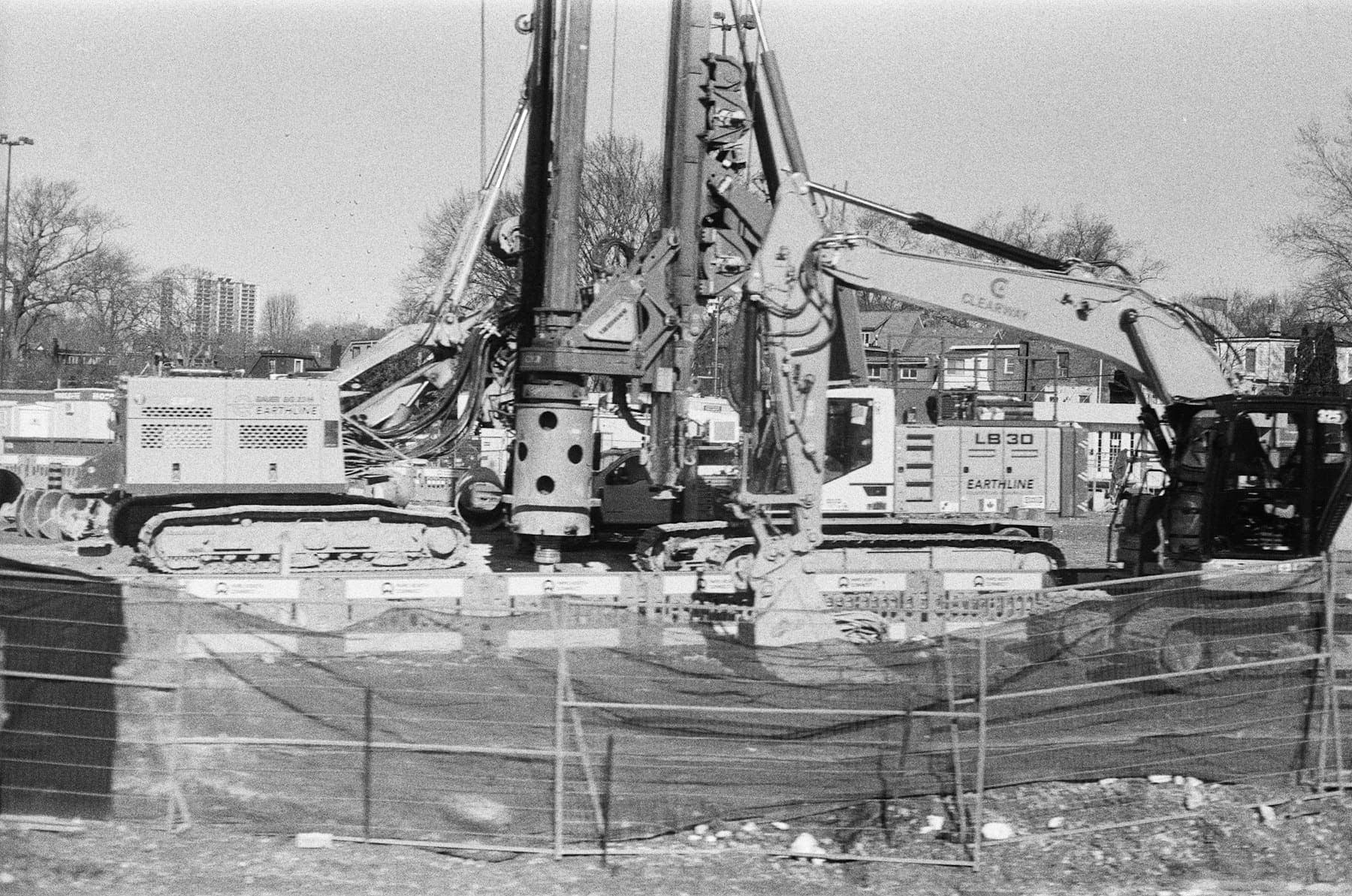
A heavy pounder is repeatedly dropped from height, densifying loose granular soils and fills to significant depth.
Best for: Loose sands, granular fills, collapsible soils
Preloading with vertical drains
Prefabricated vertical drains shorten drainage paths in soft clay; a surcharge embankment then consolidates the soil before construction.
Best for: Deep soft clays under embankments and tanks
Lime / cement stabilisation
Binder is mixed into the soil in situ or in a plant, lowering plasticity and swell potential while gaining strength.
Best for: Black cotton soil, subgrades, working platforms
Replacement cushions and geosynthetics
Weak soil is excavated and replaced with compacted granular fill, often reinforced with geogrid layers to spread loads.
Best for: Shallow weak layers, floor slabs, pavements
Grouting (compaction and jet)
Cement-based grout is injected under pressure to fill voids, densify soil or form soil-cement elements.
Best for: Restricted access, remedial works, underpinning
Execution
From investigation to verification
- 1
Site investigation
Boreholes with SPT / CPT, trial pits and laboratory tests establish soil layers, groundwater and the properties that matter — strength, compressibility, swell and permeability.
- 2
Diagnose the problem
We define what must improve and by how much: bearing capacity, settlement limit, swell index, liquefaction factor of safety.
- 3
Select the method
Candidate techniques are compared on technical fit, programme, cost and local availability of materials. Often a combination is best.
- 4
Trial section
A trial area is treated and tested first, so design assumptions are checked on your site before full-scale work starts.
- 5
Production treatment
Treatment is executed to a controlled grid with continuous records — depth, energy, stone volume, binder dosage and compaction.
- 6
Verification and report
Post-treatment testing and monitoring prove performance. You receive a report with results, as-built data and recommendations.
Specifications
What we measure
| Strength / stiffness | SPT, CPT, plate-load and CBR tests before and after treatment |
|---|---|
| Settlement | Settlement plates, magnet extensometers and survey monitoring |
| Swell potential | Free swell index, Atterberg limits, swell-pressure tests |
| Stabilised soil | UCS, CBR and dry density to specified minima |
| Stone columns | Stone volume per metre, amperage records, load test on trial column |
| Compaction | Field density and moisture control per lift |
Values are indicative. Final parameters are set by the project design and specification.
References
Standards & guidelines
- IS 15284 — Design and construction for ground improvement (stone columns, preloading with vertical drains)
- IS 2720 — Methods of test for soils
- IRC:36 — Recommended practice for construction of earth embankments for road works
- FHWA-NHI-06-019 / 020 — Ground improvement methods
FAQ
Ground Improvement: your questions answered
Read more
Related guides
Also from Terrabindz
Related services
 01
Reinforced Earth Walls
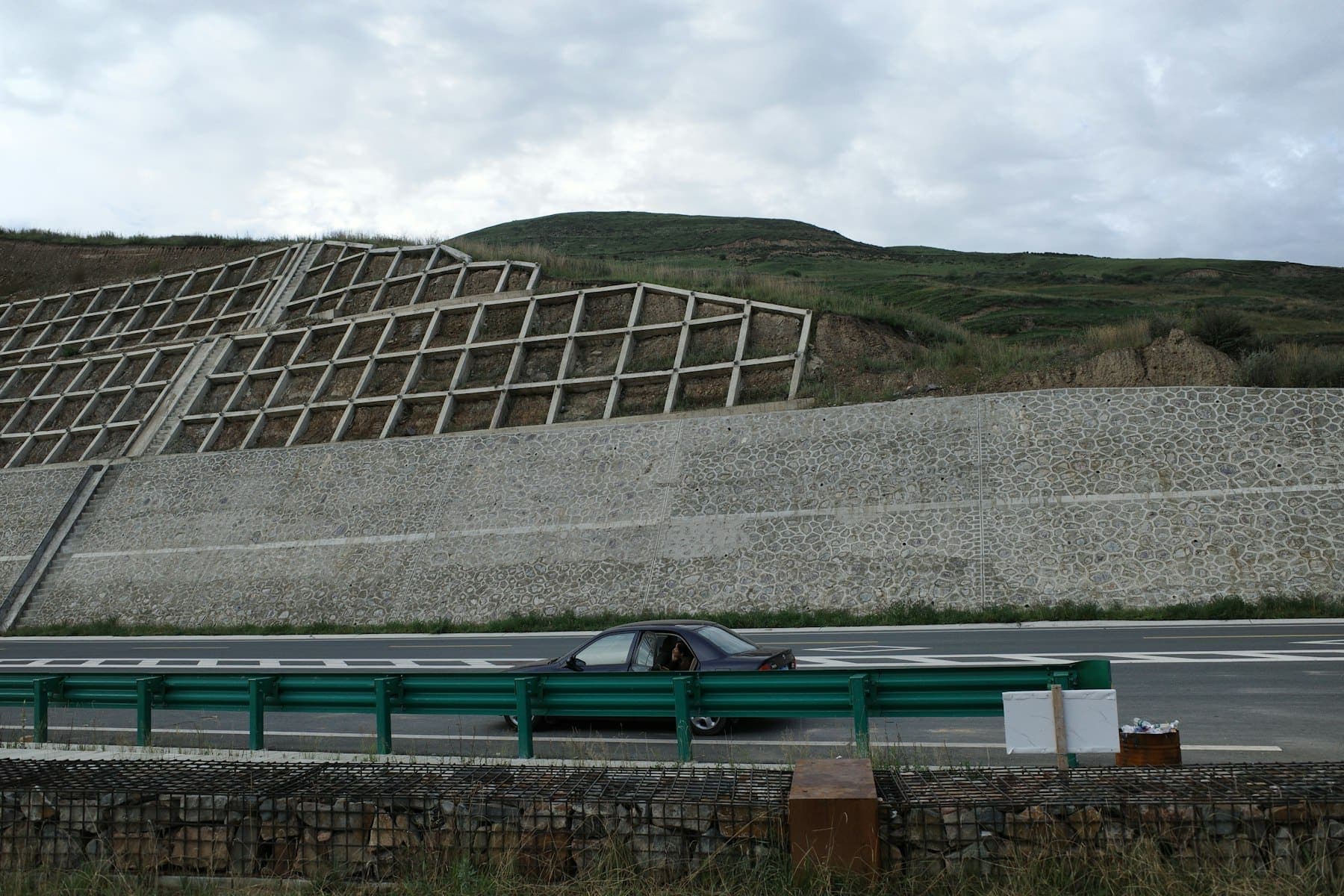
Precast-faced MSE walls and reinforced soil slopes for bridge approaches, flyovers, highways and industrial platforms.
Explore service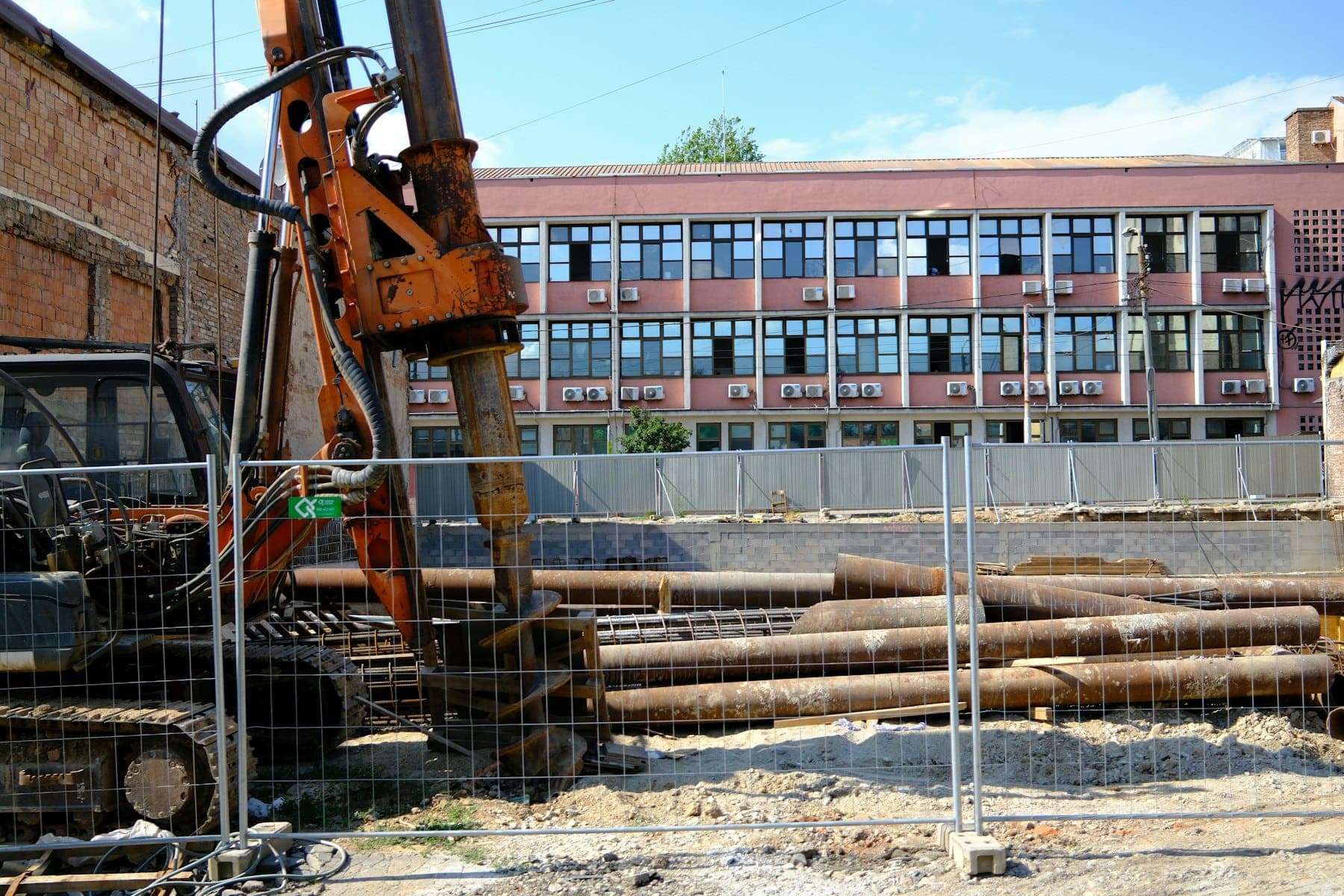 02
Soil Nailing
Top-down in-situ reinforcement of cuts, slopes and deep excavations using grouted steel nails and shotcrete facing.
Explore service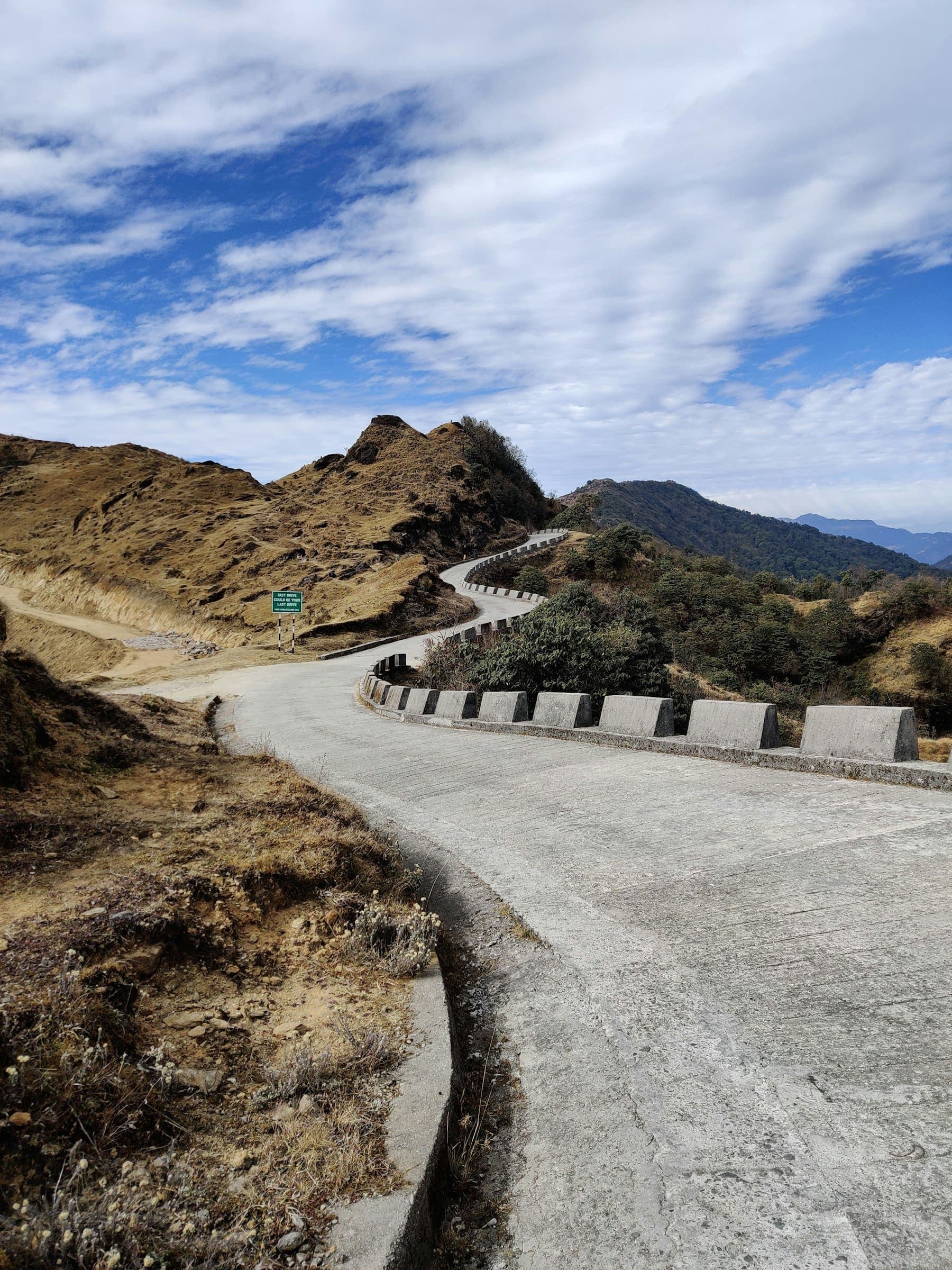 04
Slope Stabilisation
Rock bolting, shotcrete, wire-mesh rockfall protection, gabions, geogrid slopes and drainage for cut and natural slopes.
Explore service
Free consultation
Have a project in mind? Let's talk ground conditions.
Share your drawings or soil report and our engineers will respond with an approach, programme and quotation.